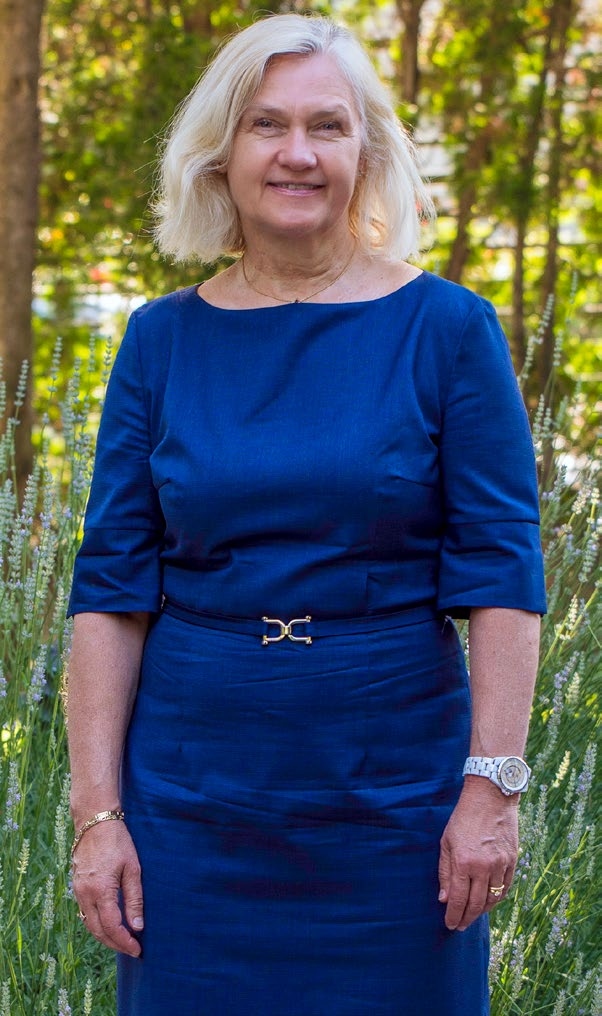
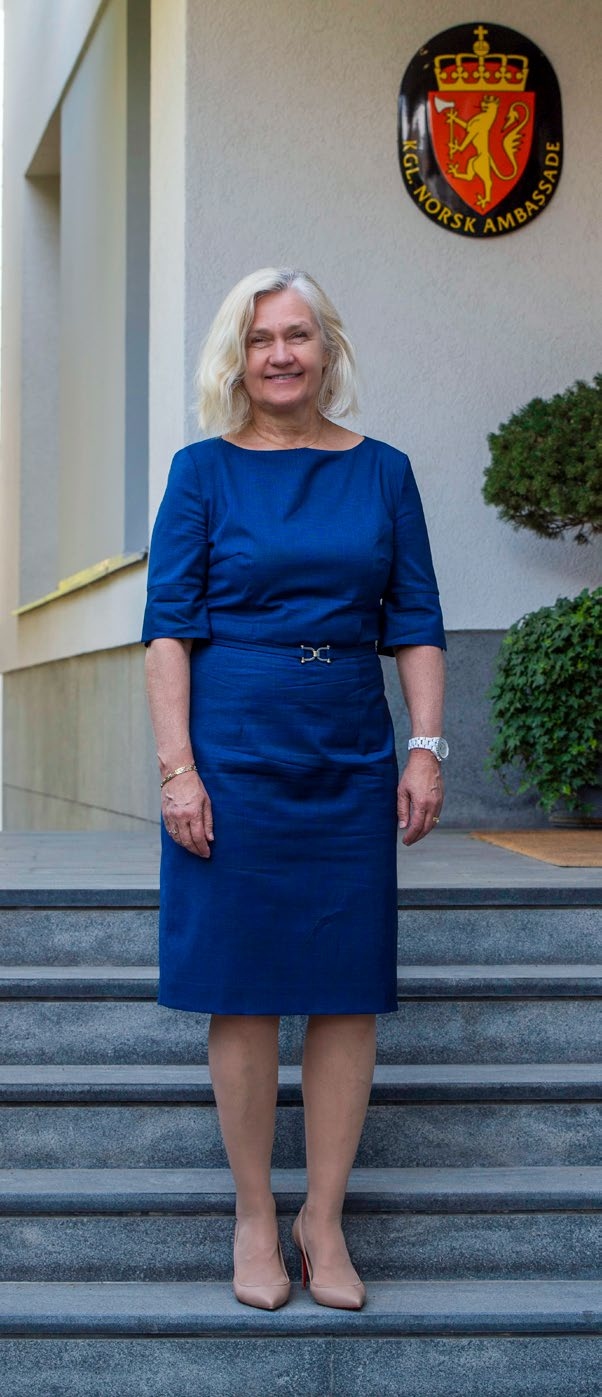
H.E. Ms Kristin Melsom, Ambassador of Norway
On Montenegro’s European path, NATO cooperation, green energy, investment opportunities and stronger ties between our two countries
Norway and Montenegro share strong, friendly relations rooted in common values and close cooperation. In this interview, we discuss Montenegro’s European integration, its contribution to NATO, opportunities for Norwegian investment, the green transition, and ways to further strengthen connections between the people and institutions of the two countries.
How would you assess the current relations between Norway and Montenegro, and where do you see the greatest potential for further strengthening them?
Relations between Norway and Montenegro are strong, built on shared values and close cooperation, not least as NATO allies. Norway has long supported projects and reforms in Montenegro and the wider Western Balkans. Looking ahead, I would particularly like to see stronger ties between our people and institutions, through education, culture and increased cooperation between Norwegian and Montenegrin organisations. As relatively small countries, we also share an understanding of the importance of international cooperation and reliable partnerships.
Montenegro is on its path towards European Union membership. In what ways can Norway provide further support to this process?
We strongly support Montenegro’s European path and the EU integration of the Western Balkans. Although Norway is not an EU member, we are closely integrated with the Union through the EEA. Through the Knowledge for Reform (K4R) programme, Norway supported Montenegro’s EU accession process by providing targeted technical assistance, expert advice, and capacity building to key state institutions. The programme was designed to help Montenegro align its legislation, policies, and administrative practices with the EU acquis, particularly in agriculture, energy, the environment, and public administration. Montenegro has made significant progress and is currently entering the final phase in the accession process. Norway will continue to support the country on this path.
How do you see Montenegro’s role in strengthening stability and security in the Western Balkans?
Montenegro has an important role to play in a region where stability depends on cross-border cooperation. Constructive dialogue, good neighbourly relations and regional cooperation are essential for addressing shared challenges. As a NATO ally, Montenegro can also contribute to security beyond its own borders. I believe Montenegro is well placed to play a constructive role in bringing the region closer together and strengthening longterm stability.
Norway and Montenegro are both NATO members. How do you assess Montenegro’s contribution to the Alliance’s collective security?
Montenegro is a valued NATO ally. Since joining in 2017, the country has shown that smaller allies can make meaningful contributions to collective security. Montenegro contributes to NATO activities, including KFOR in Kosovo and NATO forces in Latvia and Bulgaria, and has provided important support to Ukraine. For countries such as Norway and Montenegro, NATO also illustrates the strength of collective defence: our security is stronger when we cooperate.
Which areas do you consider to have the greatest potential for developing economic relations and attracting Norwegian investment in Montenegro?
Several sectors have potential, including renewable energy, sustainable tourism, maritime industries, technology, and digitalisation. Montenegro has resources and opportunities that could interest Norwegian businesses, while Norwegian companies can bring expertise and experience in these fields. At the same time, predictability is crucial for companies considering investments abroad. Transparent regulation and a stable business environment are important for attracting long-term Norwegian and international investment.
Norway is a global leader in green transition and renewable energy. What can Montenegro learn from Norway’s experience in this field?
Norway’s experience shows that the green transition requires long-term planning, investment and cooperation between government, private and public sectors. Hydropower has played an important role in Norway for more than a century, and we have also developed expertise in electric mobility and other green technologies. Norwegian energy company NTE has established a strong presence in Montenegro through its partnership with the state-owned power utility EPCG in the joint venture Zeta Energy. Over the past years, Zeta Energy has successfully modernised and operated hydropower facilities on the Zeta River, bringing Norwegian expertise and standards to the Montenegrin energy sector. Building on this foundation, NTE and EPCG have recently reaffirmed their commitment to expanding cooperation in renewable energy, exploring new hydropower and other green energy projects that can contribute to Montenegro’s energy security, economic development, and green transition. This partnership demonstrates how Norwegian know-how and long-term investment can support sustainable growth while strengthening business ties between Norway and Montenegro.
Is there potential for closer cooperation between the two countries in the areas of education, innovation and youth development?
Absolutely. Student exchanges, university partnerships and research cooperation can build lasting ties between Norway and Montenegro. For young people in particular, studying or working abroad provides an opportunity to exchange ideas and gain new perspectives. I would love to welcome more connections between Norwegian and Montenegrin students, researchers and educational institutions. These relationships can continue to benefit both countries long after an individual exchange or project has ended.
How do you see the future of the Western Balkans and Montenegro’s place in the region’s European future?
I see the future of the Western Balkans as European. Montenegro is currently at the forefront of the EU accession process, which gives the country an important opportunity. Continued progress towards membership would, of course, be significant for Montenegro itself, but it could also send a positive signal to the rest of the region. It can demonstrate that reforms and sustained commitment to the European path lead to tangible results. A more integrated Western Balkans will ultimately make Europe more stable and prosperous.
After your experience in Montenegro, what has impressed or surprised you the most about our country?
What really impresses me when visiting Montenegro, in addition to the country’s natural beauty and people’s hospitality, is the positive energy you meet everywhere. Montenegro’s progress on its European path is an impressive achievement of hard work and confirms your country’s strong ambitions for the future. At the same time, I have been pleasantly surprised by how accessible and approachable people are, both professionally and personally.
What message would you like to send to the citizens of Montenegro regarding the future of relations between Montenegro and Norway?
Norway is a friend and partner of Montenegro, and we want that partnership to continue growing. Our countries may be geographically far apart, but we share many similar values. I hope more Norwegians and Montenegrins will have the opportunity to get to know each other and each other’s countries in the years ahead. And I am confident that the relationship between Norway and Montenegro will continue to grow stronger.