Natalija Zindović, CEO of the SISTEM-MNE
From Prediš and Sinjajevina to Korita, local engineering skills are playing a crucial role in establishing the groundwork for Montenegro’s energy future
Montenegro is embarking on a transformative journey in energy development, marked by the implementation of solar and wind power projects boasting capacities in the hundreds of megawatts, coupled with the advancement of extensive battery energy storage systems. These investments offer a chance to enhance energy security, draw in global capital, and bolster the sustainable growth of Montenegro’s economy.
Among the local enterprises making significant strides in this area, SISTEM-MNE, based in Podgorica, is notable for its extensive experience spanning over twenty years in the fields of renewable energy, engineering design, and the advancement of electricity infrastructure.

From its initial efforts on independent solar systems to significant energy advancements, the company has developed its own engineering skills and knowledge, which it now utilizes for projects of critical importance to Montenegro’s energy landscape. The project portfolio features the Prediš Solar Power Plant, Sinjajevina Wind Farm Part 1, Sinjajevina Wind Farm Part 2, Korita Solar Power Plant, Korita Wind Farm, as well as Bijela Wind Farm, a project developed and designed by the company.
We had a conversation with Natalija Zindović, CEO of the SISTEM-MNE, regarding the potential these projects offer, the significance of local engineering skills, collaboration with global investors, and the outlook for Montenegro’s energy sector.
SISTEM-MNE is actively engaged in advancing several of Montenegro’s most significant energy projects. What is your evaluation of the ongoing advancements in the energy sector and how does your company fit into this evolving landscape?
Montenegro stands on the threshold of a crucial phase in the investment landscape, particularly in the realm of renewable energy. In earlier years, the emphasis was primarily on smaller generation capacities. However, the current discourse revolves around solar and wind power plants boasting individual capacities that range from several dozen to several hundred megawatts. This signifies a significant transformation, impacting not just energy production but also financial backing, technological advancements, and structural development. SISTEM-MNE plays a crucial role in this process, largely due to the extensive experience we have gathered over more than twenty years. Our journey commenced with the conceptualization and execution of compact photovoltaic systems. Today, we are engaged in the advancement of large-scale solar and wind energy projects, energy storage solutions, and intricate grid connectivity frameworks. I would particularly emphasize that the significance of our efforts reaches well beyond the realm of power plant design. Launching a significant energy initiative requires a comprehensive approach: pinpointing and exploring appropriate locations, evaluating their energy capabilities, addressing property and land ownership challenges, drafting project documentation, securing urban planning and technical conditions, acquiring environmental clearances, establishing grid connection agreements, and obtaining building permits. Our aim is to transform intricate technical and administrative development processes into thoroughly prepared projects that are ready for investment. I am convinced this is exactly where local enterprises can provide an incredibly significant impact.
A key investment hotspot is emerging in the Korita area, located within the municipality of Bijelo Polje, where the development of three significant energy facilities is underway. What do these investments entail?
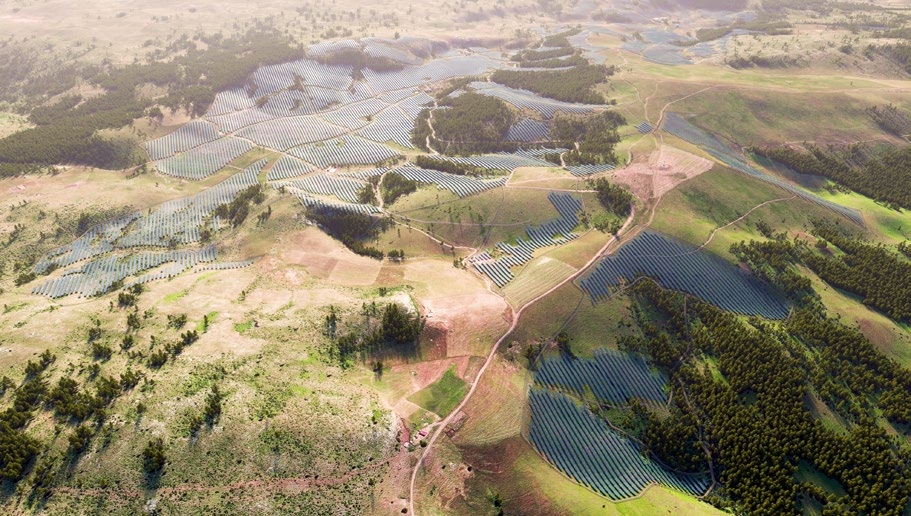
The Korita site, situated in the municipality of Bijelo Polje, serves as a prime illustration of a location where various methods for generating and storing electricity are being explored and advanced. It is crucial to highlight that this represents a cohesive energy development consisting of three distinct investments, each possessing its own investment, project development, and technical attributes. The Korita Solar Power Plant is set to have a planned installed capacity of 240 MW, marking it as one of the significant photovoltaic projects in Montenegro. The second project is the Korita Wind Farm, set to have a planned installed capacity of 88 MW, aimed at tapping into the substantial wind energy potential of the region. The third investment involves the Korita Battery Energy Storage System, which is set to have a power capacity of 120 MW and an energy storage capacity of 480 MWh. This system will facilitate a more adaptable approach to electricity management, permitting energy to be stored and distributed according to the demands of the power infrastructure. Building permits have been secured for both the Korita Solar Power Plant and the Korita Wind Farm, representing a notable achievement in the progression of these projects following extensive preparatory efforts. Behind each permit is a significant amount of effort that frequently remains unnoticed by the general populace. Coordinating the demands of various institutions, technical solutions, spatial planning documentation, and infrastructure conditions is essential, all while maintaining the project’s economic viability. What makes this development particularly noteworthy is the simultaneous planning of a solar power plant, a wind farm, and a battery storage system at the same site. This fosters avenues for synchronized planning of energy and grid connection infrastructure, optimizing the utilization of existing capacity, and enhancing the integration of electricity generation and storage. I believe Korita has the potential to emerge as a significant energy hub in northern Montenegro, showcasing a contemporary approach to the development of renewable energy.
How important is the acquisition of building permits for the Korita Solar Power Plant and Korita Wind Farm? Does this signal the start of construction?
A building permit marks a crucial milestone in the progression of any significant energy project. Securing a permit demands that the investor and development team navigate a complex and time-consuming process. This involves compiling detailed documentation, conducting technical evaluations, collaborating with pertinent authorities, and adhering to a multitude of legal and technical stipulations. In the instance of the Korita Solar Power Plant and Korita Wind Farm, the acquisition of building permits underscores the importance and caliber of the efforts undertaken in the earlier development phase. Certainly, obtaining a building permit does not imply that work will commence the very next day. Additional funding, financial arrangements, and structural measures are necessary, alongside the finalization of any remaining tasks essential for execution. However, a project that has advanced to this level of development holds a significantly different standing in the investment landscape compared to one that is merely an idea or an initial study. This is where the true significance of exceptional project development becomes clear. For global investors, it is crucial that a project is supported by a well-documented foundation, has a clearly defined grid connection, and minimizes any outstanding development challenges. Our mission is to assist projects in achieving this specific level of preparedness by leveraging our professional expertise and adopting a conscientious approach.
Two significant wind energy projects in terms of installed capacity are currently underway in the Sinjajevina mountain region. What role do they play in shaping the future of wind power generation in Montenegro?
Sinjajevina stands out as a crucial wind energy resource for Montenegro, yet it poses considerable challenges for the advancement of large-scale infrastructure projects. We have two projects in our portfolio. The Sinjajevina Wind Farm Part 1, which aims for an installed capacity of 136 MW, is currently under development in the mountainous region of Sinjajevina in northern Montenegro. The Sinjajevina Wind Farm Part 2, boasting a planned installed capacity of 352 MW, marks the second significant wind energy initiative in the region. Their total planned installed capacity reaches 488 MW, clearly highlighting the magnitude of the energy potential being evaluated. However, projects of this nature should not be evaluated exclusively based on megawatt output. Their implementation necessitates careful planning of access roads, wind turbine placements, internal cable networks, substations, and transmission lines. A crucial factor to consider is the link to the 400 kV electricity transmission infrastructure, as initiatives of this magnitude need to be in harmony with the capacity and development strategies of Montenegro’s transmission system. Simultaneously, their advancement must be meticulously aligned with the mandates of environmental protection and the priorities of local populations. If these elements are effectively aligned, Sinjajevina Wind Farm Part 1 and Part 2 could play a crucial role in advancing renewable energy initiatives and fostering economic growth in northern Montenegro.

In addition to wind power, your company is engaged in the development of large-scale solar power plants. The Prediš Solar Power Plant is particularly noteworthy. Why is this a noteworthy endeavor in its field?
The Prediš Solar Power Plant, currently under development at the Prediš site in the Royal Capital of Cetinje, stands out as a significant addition to our portfolio of solar projects. The planned installed capacity stands at 227.9 MWp on the DC side and 200 MW on the AC side. A facility of this scale demands far more than just the design of photovoltaic panels and inverters. For projects of this magnitude, choosing the right technology, optimizing production, implementing control and protection systems, designing substations, and developing grid connection infrastructure are all crucial elements. The Prediš Solar Power Plant is set to link with the 400 kV transmission grid, highlighting the project’s significant scale and technical intricacies. The development process takes into account the potential to incorporate battery energy storage systems, as contemporary solar initiatives must increasingly align with market demands and the operational requirements of the power grid. For our company, the Prediš Solar Power Plant stands as a clear indicator of the advancements in local engineering capabilities, evolving from initial small-scale solar installations to large-scale projects boasting capacities in the hundreds of megawatts.
The Korita Battery Energy Storage System, boasting a planned power capacity of 120 MW and an energy storage capacity of 480 MWh, signals a significant shift in energy development. What prospects do you envision for energy storage systems?
I am confident that battery energy storage systems will become increasingly vital in the future of the energy sector, not just in Montenegro but throughout the European market. As the proportion of electricity produced from solar and wind sources rises, maintaining flexibility within the power system grows increasingly crucial. Solar energy is accessible at specific times throughout the day, whereas the output from wind farms fluctuates based on varying weather patterns. Electricity consumption and market demand, on the other hand, exhibit distinct trends. Battery systems enable the storage of energy during periods of availability, allowing for its delivery at a later time, contingent upon technical specifications and market dynamics. The Korita Battery Energy Storage System, designed to deliver a power capacity of 120 MW and an energy storage capacity of 480 MWh, plays a crucial role in the comprehensive Korita energy development initiative in the municipality of Bijelo Polje. Combining the battery storage system with the solar power plant and wind farm will facilitate a more effective management of generated electricity. This integration allows for the storage of surplus energy during peak production times, ensuring that it can be supplied when the power system requires it the most. It is anticipated that projects focused on generating electricity from a variety of renewable sources, paired with cutting-edge storage technologies, will become more prevalent in the near future. This method improves the adaptability, reliability, and effectiveness of the power system, optimizing the use of existing grid connection resources. In addition to their technical benefits, battery storage systems present considerable economic prospects, especially through the optimization of electricity sales in the market and the provision of ancillary services to the power grid. Their complete potential hinges on upcoming changes in market regulations, the regulatory framework, and the circumstances surrounding their incorporation into the electricity system.
Significant energy projects necessitate a well-established electricity infrastructure. Is the current transmission grid capable of supporting the anticipated increase in new generation capacity?
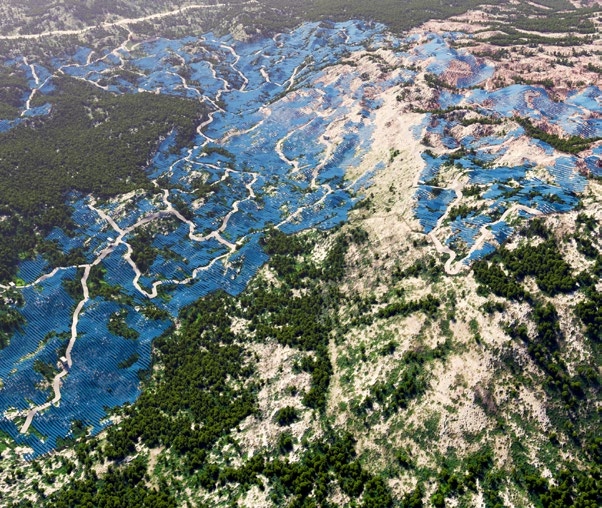
The evolution of the transmission grid stands as a pivotal concern influencing the trajectory of Montenegro’s energy landscape. Montenegro possesses considerable opportunities for the advancement of solar and wind energy. However, the full realization of this potential hinges on the establishment of sufficient infrastructure to link new facilities to the grid and facilitate the transmission of the electricity produced. For large-scale projects, obtaining a grid connection can be as intricate as the design of the power plant itself. Substations, transmission lines, and other infrastructure functioning at 35 kV, 110 kV, and 400 kV must be designed and constructed in accordance with the technical specifications set forth by the appropriate power system operators. I believe it is crucial to perceive the growth of new generation capacity and the enhancement of the transmission grid as interrelated processes. The regulatory framework needs enhancement to facilitate a more effective utilization of both current and upcoming infrastructure. This holds significant relevance regarding the potential for collaborative utilization of specific grid connection facilities and infrastructure capacities, provided it is technically justified and allowed by the regulatory framework. Such a strategy could lower investment expenses, prevent redundant infrastructure, and promote a more effective utilization of existing land resources. The energy transition involves much more than just the construction of power plants. It necessitates a comprehensive overhaul of the entire electricity infrastructure.
How important is it for domestic engineering companies to play an active role in the development of large-scale projects, particularly when the investors are international companies?
I hold the view that the significance of local enterprises is paramount, and their involvement should extend beyond merely executing isolated tasks. The initiation of a significant energy project frequently occurs well in advance of an international investor reaching a conclusive investment decision. Identifying a suitable location involves assessing its energy potential, evaluating spatial and infrastructure constraints, and navigating the intricate procedures necessary to secure the required documentation and permits. Domestic companies hold a notable edge during these phases, owing to their familiarity with the local market, administrative framework, technical standards, and the specifics of the electricity grid. Our company is committed to engaging deeply in the entire development process, rather than just offering isolated engineering services. The Bijela Wind Farm, currently under development in the municipality of Šavnik, exemplifies this approach effectively. SISTEM-MNE has been instrumental in the comprehensive progression of the project, overseeing everything from initial evaluations and investment readiness to the drafting of project documentation and the finalization of intricate processes required for securing essential approvals and permits. The issuance of the building permit signifies the achievement of years of dedicated effort by our team, showcasing that a local engineering firm can autonomously create and design a significant energy project while adhering to rigorous technical and international standards. We take great pride in leveraging our expertise and experience to lay a solid groundwork for the investment’s execution and collaboration with esteemed international investors. Global investors provide essential funding, expertise, and connections to international markets, whereas local partners offer valuable insights and the capacity to transform intricate investment ideas into tangible projects. I am convinced that this form of collaboration exemplifies the most efficient approach to fostering significant energy investments. It is crucial that these initiatives foster the advancement of local professional skills, as the insights and expertise acquired throughout their execution will serve as a valuable resource for our economy in the long run.
What are the key challenges hindering the progress of energy investments in Montenegro?
Large-scale energy projects inherently involve protracted development timelines; however, I am convinced that there are opportunities to enhance specific processes and increase their predictability. One of the primary obstacles is the need to synchronize the efforts of various organizations and harmonize their individual processes. A project must concurrently satisfy criteria associated with spatial planning, environmental protection, energy management, construction standards, and property entitlements. Hiccups in any of these areas can profoundly affect the entire project schedule. Another significant concern is the accessibility and advancement of transmission capacity. Investors require a comprehensive grasp of the potential for grid connections, anticipated timelines, and the financial implications of the necessary infrastructure. A third key factor is the reliability of regulations and investments. Energy initiatives demand extensive timeframes for development measured in years and necessitate significant financial backing well in advance of any construction activities. It is crucial that the regulations surrounding them are well-defined, consistent, and transparent. I am convinced that Montenegro can greatly enhance the progress of projects that are already well underway by fostering better collaboration among institutions and reinforcing the regulatory framework.
What economic advantages do you anticipate Montenegro will realize from the execution of numerous energy projects?
The advancement of renewable energy has the potential to serve as a fundamental component of Montenegro’s sustained economic progress. Significant energy investments engage local engineering and design firms, construction companies, electrical contractors, and various other enterprises, simultaneously generating fresh commercial prospects. Their implementation stands to benefit local communities significantly, especially in the northern region of the country, where a substantial portion of Montenegro’s wind energy potential is found. Nonetheless, I think it’s essential to adopt a wider viewpoint. Montenegro stands poised to enhance its electricity generation from renewable sources in the near future, potentially solidifying its role in the regional energy market. Simultaneously, the increased availability of electricity in larger volumes may foster more advantageous conditions for the emergence of new enterprises and industrial ventures. From this viewpoint, energy initiatives ought to be seen not as standalone investments, but as integral components of a wider economic development plan. Our aim extends beyond merely constructing new power plants. It is crucial that their implementation aids in the advancement of infrastructure, bolsters local enterprises, fosters professional skills, and invigorates overall economic activity.
What is your perspective on the trajectory of SISTEM-MNE and the energy sector in Montenegro in the coming ten years?
I believe we are at the onset of a notably significant era for Montenegro’s energy sector. The ongoing projects have the potential to profoundly reshape the landscape of domestic electricity generation in the years ahead. For SISTEM-MNE, our objective is straightforward: to persist in advancing top-tier energy initiatives, enhance local engineering expertise, and cultivate enduring collaborations with esteemed domestic and global investors. We will focus on initiatives that integrate renewable electricity production with energy storage solutions and advanced transmission systems. I believe the future of the energy sector will hinge not just on the installed capacity of individual power plants, but more on the power system’s capability to generate, store, and deliver electricity at critical moments. Montenegro possesses considerable natural resources, yet their full potential can only be achieved through ongoing advancements in technical expertise, infrastructure, and the establishment of a stable investment climate. Our goal is for SISTEMMNE to actively engage in this transformation and to showcase that local engineering talent can compete on equal footing with international investment in advancing the nation’s largest energy initiatives. I am confident that the power plants currently being designed and developed will play a crucial role in shaping Montenegro’s energy landscape for many years ahead.